Essentials for Setting up Your Home Filing System
As a home owner, you need to be able to put your hands on essential files quickly and easily. Though setting up a filing system sounds difficult, it is a relatively easy task that can be made easier by a few tips and tricks.
1. Set aside a specific place where files will be stored.
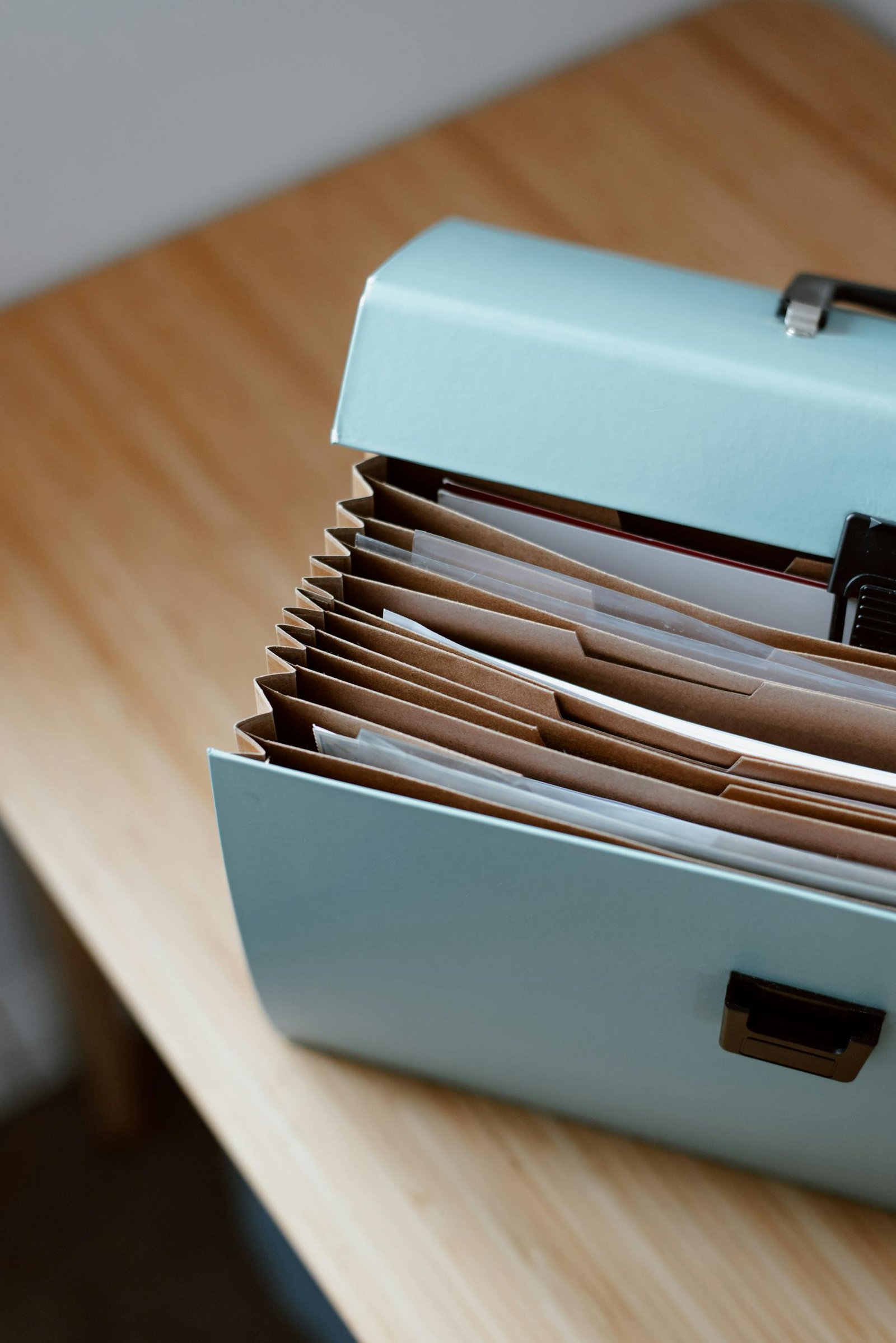
We have a large filing cabinet in the basement, and a small hanging file folder for our day to day filing. i empty the small one weekly and transfer the files to the filing cabinet.
2. determine whether an alphabetical, numerical or subject filing system will work best for you.
Do you search for things according to category? By institution? This is a critical step, as it will determine how you will layout your system. Do this BEFORE you buy anything for your system.
3. Invest in a good labelling system for clarity and easy access.
Though making sure you can easily read the file labels sounds like it should be an obvious step, clarity in labelling will save you more time than you can imagine. Most companies who make labels provide templates that integrate with most popular word processing software. If you are like me and need to label everything, it may make sense to invest in a label maker that can print out individual labels.
4. Now you are ready to purchase file folders.
For those of us who are visual learner, I have found that coloured hanging folders (make sure the plastic label tabs are included) make it very easy to quickly identify categories and files. I use coloured hanging folders for two reasons: (1) they are widely available and (2) they allow easy recognition of categories. For example, all my utility files are in yellow hanging folders, blue folders contain financial information and red is for kids. This way, I can see roughly where I should be searching for a particular file.
5. Now that you have determined both your storage and file folder needs, here is a list of the common files needed in a simple home filing system.
Banking
- Name of Bank
- Accounts – Chequing/Savings
- Loans
- Mortgage/Rent
- Statements
- Investments
Utilities
- Type of Utility
- Name of Company
Medical/Dental
- Categorize by person
Insurance
- Life
- Home
- Auto
Vehicles
- Categorize by vehicle
- Repairs
- Registration documents
Home Maintenance
- Repairs
- Home services
Income Tax
- Categorize by person
- Supporting documents
Certificates
- Birth
- Adoption
- Marriage
- Divorce
If you ever hesitate about where a paper belongs, the category is probably too detailed. Simplify.
6. Create An “Action” or “To File” Folder
One of the most overlooked essentials is a temporary holding place.
Create:
- A “To File” folder for incoming papers
- An “Action” folder for bills, forms, or documents that need attention
This prevents paper piles from forming while still keeping everything contained until you can file it properly.
Set a reminder, pair it with another habit (like monthly planning) and keep it short. Ten minutes is usually enough.
Less paper = easier filing. Here’s my checklist for how long you need to keep certain documents.
7. How Long Do I Keep This?
So how long do I need to keep each category of paperwork? Here is the link to my post about this exact thing!
Keep It Functional, Not Perfect
The best home filing system is the one you’ll actually use. It doesn’t need to be aesthetic or elaborate — it just needs to make your life easier. Start small, keep categories broad and let your system evolve as your needs change.
A calm home often starts with fewer paper piles — and a place for everything to land.